Our Methodology
A systematic approach to storage design based on logic, data, and human behavior.
Logic-Based Storage Design
Our methodology is founded on the principle that effective storage systems must align with how people actually use their spaces. We combine systems thinking, behavioral analysis, and spatial optimization to create solutions that work intuitively and sustainably.
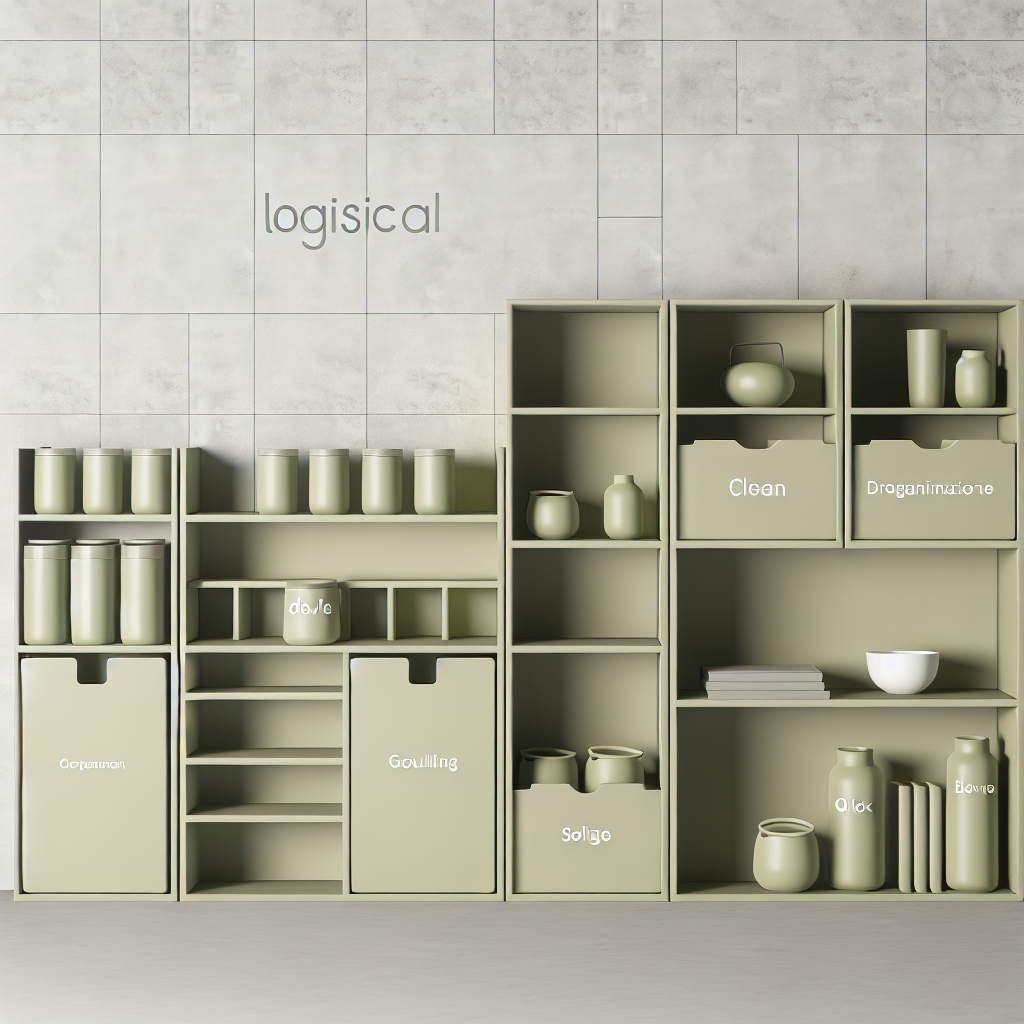
Grouping Logic
Items are organized based on logical relationships: function, frequency of use together, and contextual relevance. This approach mimics natural mental models, making systems intuitive to maintain.
- Functional categorization (what items do)
- Usage relationship (what's used together)
- Contextual grouping (when/where used)
- Hierarchical organization (primary to secondary)
Access Frequency Analysis
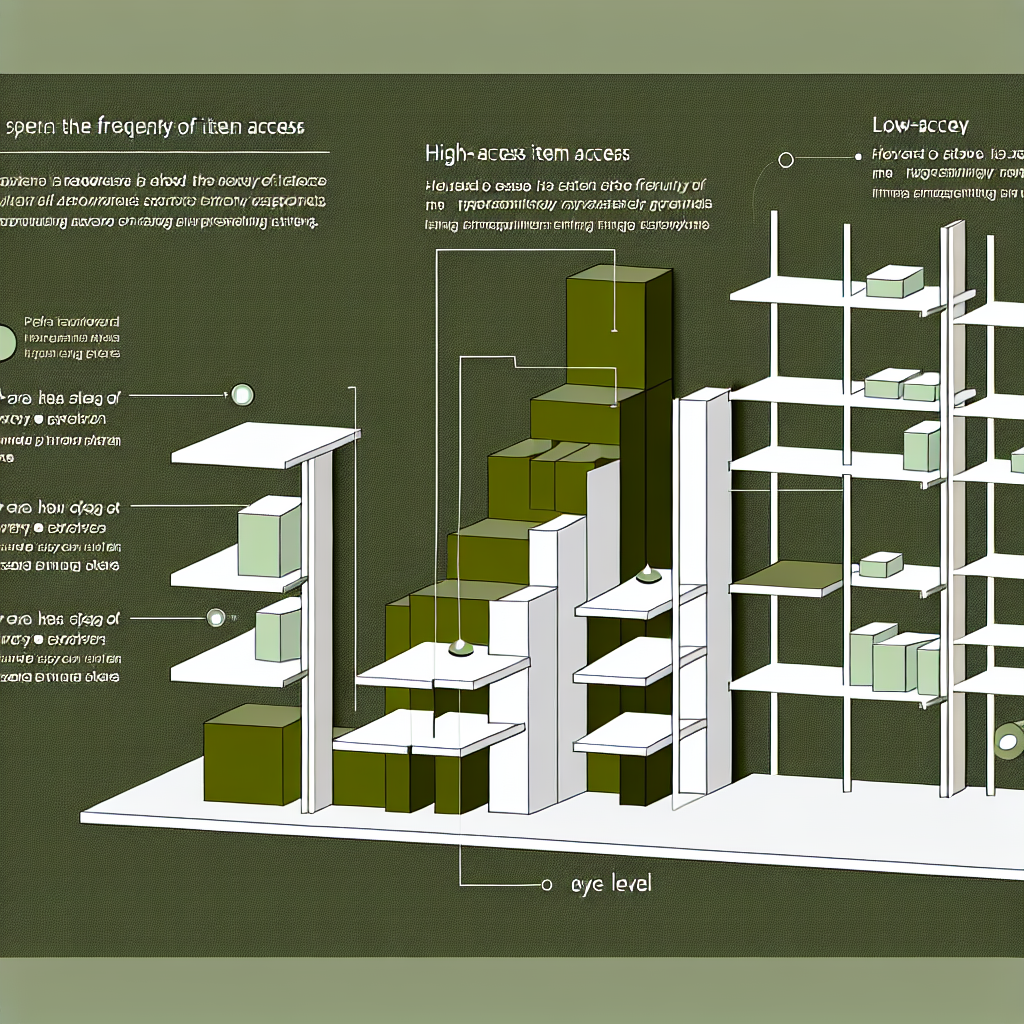
Storage placement is determined by usage frequency data. High-access items are positioned for ergonomic efficiency, while low-access items utilize less-accessible spaces strategically.
- Daily-use items at primary access height (waist to eye level)
- Weekly items in secondary zones (lower shelves)
- Monthly/seasonal items in remote storage
- Archive items in dedicated long-term areas
Strategic Placement
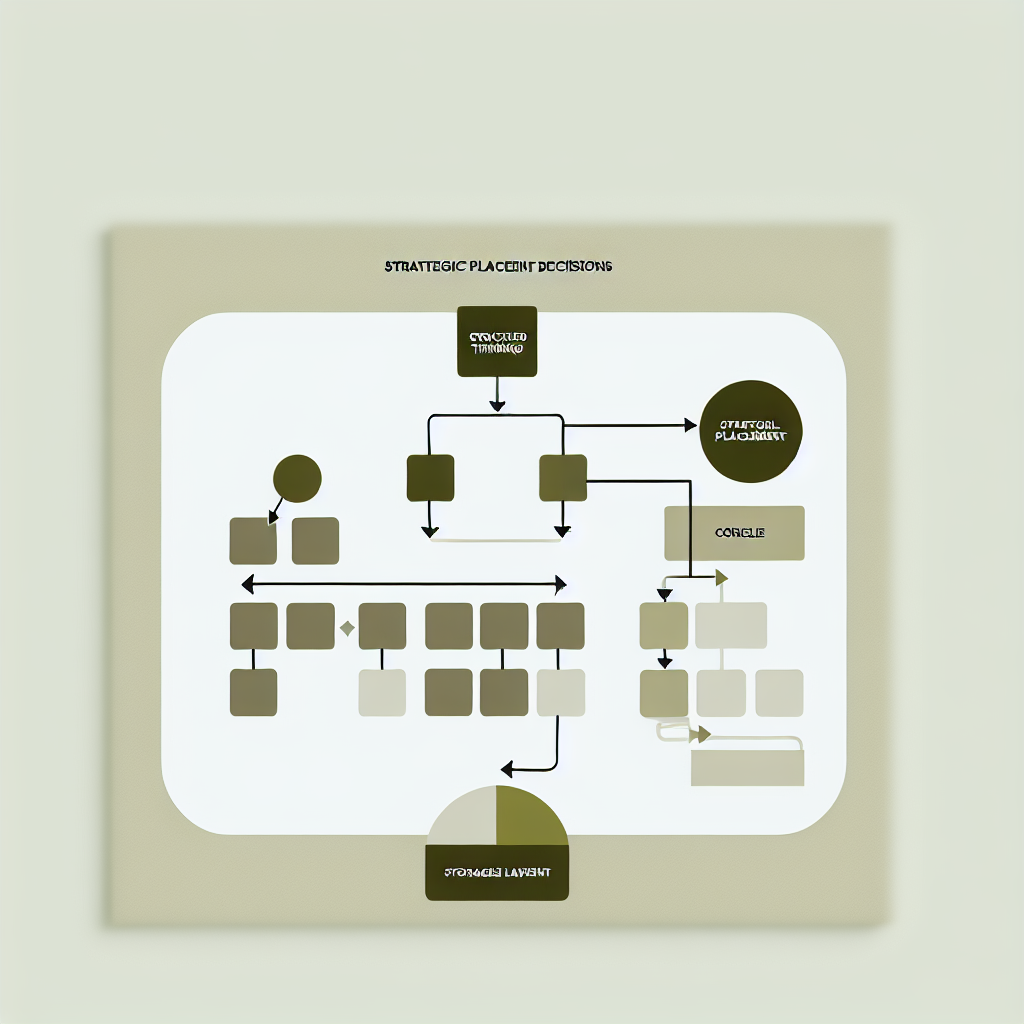
Every placement decision follows a logical framework considering workflow, spatial constraints, and behavioral patterns. We document the reasoning behind each choice for long-term system clarity.
- Workflow mapping and optimization
- Spatial efficiency calculations
- Behavioral pattern integration
- Future adaptability planning
Zone Mapping
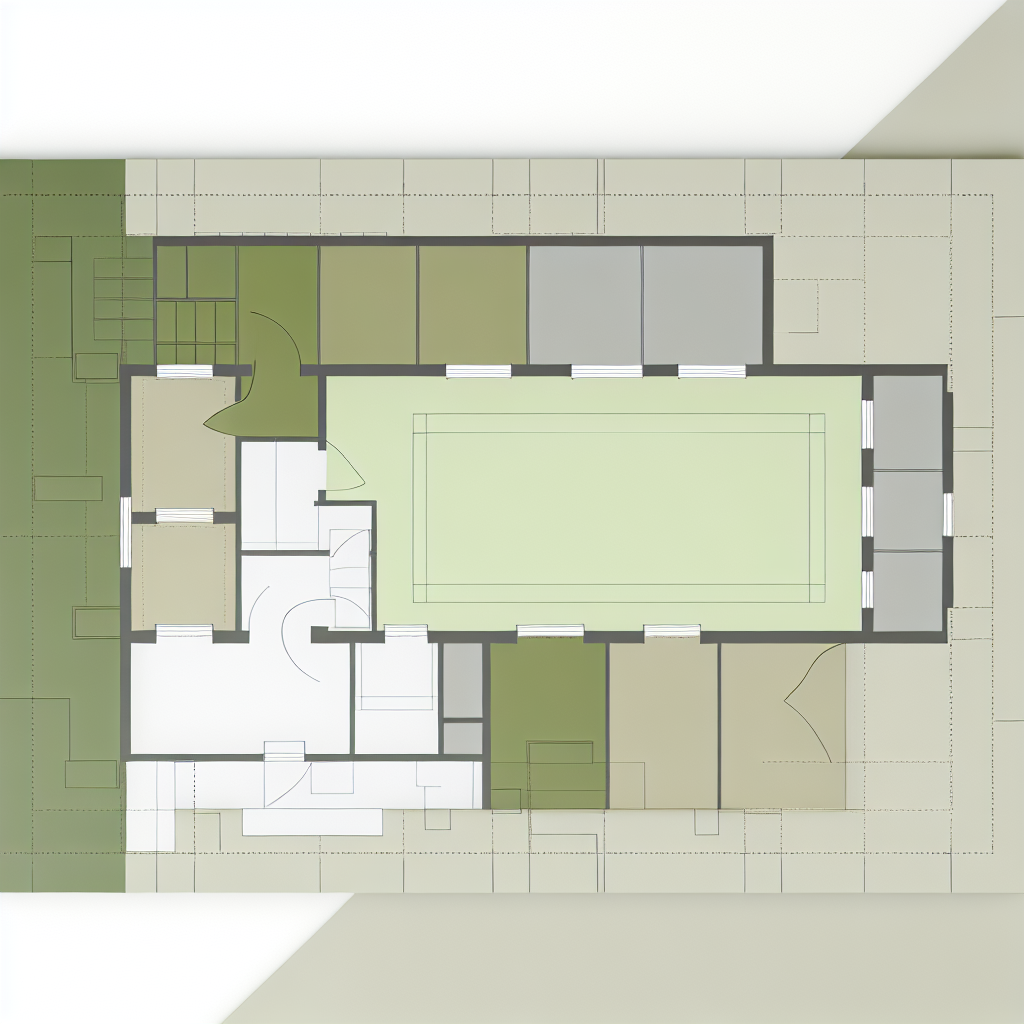
Spaces are divided into functional zones with clear boundaries and purposes. Visual mapping creates shared understanding and enables independent system maintenance by all users.
- Visual zone documentation
- Clear boundary definition
- Purpose-specific organization
- Scalable zone architecture
Ease of Use Design
Systems are designed for minimal cognitive load and maximum intuitiveness. If users need to think about where something goes, the system needs refinement.
- Visual clarity (see everything easily)
- Intuitive logic (obvious placement)
- Minimal maintenance effort
- Universal understanding (anyone can use it)

Data-Driven Optimization
We measure, analyze, and optimize based on actual usage data. Systems evolve based on evidence, not assumptions, ensuring continuous improvement over time.
- Usage pattern tracking
- Efficiency metric analysis
- Continuous optimization cycles
- Evidence-based adjustments
Ready to Apply Our Methodology?
Let's design a logical storage system for your space.
Book a Consultation